Introduction
In today's fast-paced world, the capability to react quickly and effectively in emergency situations can be a video game changer. With crashes taking place daily, having the skills to provide emergency treatment or do CPR (Cardiopulmonary Resuscitation) is vital. Yet is registering in a first aid and CPR First Aid Course Newcastle training course truly worth it? After all, time and resources are priceless commodities.
In this post, we dig deep into the experiences of our students who have taken these crucial courses. They share insights about their motivations for registering, what they discovered, and exactly how it altered their outlook on emergency situations. By discovering their firsthand accounts in addition to research-backed information, we'll address the burning inquiry: Is an Emergency Treatment and Mouth-to-mouth Resuscitation Course Well Worth It? Below's What Our Trainees Say.
The Significance of Emergency treatment Training
Why Should You Consider an Emergency Treatment Course?
First help training outfits individuals with the knowledge and skills needed to offer immediate help throughout medical emergency situations. Whether it's treating small injuries like cuts and swellings or taking care of lethal situations such as cardiac arrests, a first aid course empowers you to act emphatically when every 2nd counts.
Benefits of Taking an Emergency Treatment Course
Taking an emergency treatment course supplies various advantages:
Life-Saving Skills: The most significant advantage is certainly the ability to save lives. Confidence Boost: With understanding comes self-confidence; students really feel more prepared to manage emergencies. Community Impact: Educated people can contribute favorably to their areas by offering assistance when needed. Career Advancement: Lots of occupations require first aid accreditation, making it a possession for job seekers. Personal Safety: Knowing exactly how to manage mishaps or health and wellness concerns in your home guarantees safety for household members.Understanding mouth-to-mouth resuscitation: A Vital Skill
What Specifically is CPR?
CPR stands for Cardiopulmonary Resuscitation; it's an emergency situation treatment performed when someone's heart beat or breathing has actually quit. This method involves upper body compressions integrated with fabricated ventilation (mouth-to-mouth), which aids preserve blood flow and oxygenation until specialist clinical assistance arrives.
Types of CPR Courses Available
When looking into CPR programs, you'll find different kinds tailored for different target markets:
- Basic Life Assistance (BLS): Ideal for healthcare providers. Heartsaver CPR: Designed for laypeople without clinical training. Pediatric CPR: Focused on techniques relevant to kids and infants.
Is Understanding CPR Difficult? A Trainee's Perspective
Many trainees reveal issue regarding whether learning mouth-to-mouth resuscitation will certainly be challenging. Normally speaking, while it requires technique and understanding of specific techniques, many people find that hands-on training makes it much easier to grasp vital concepts.
First Aid Certification: A Necessary Credential
Why Get a First Aid Certificate?
An emergency treatment certification symbolizes that you've received official training in offering assistance throughout emergency situations. It functions as evidence of your proficiency in managing essential circumstances securely and effectively.
How Long Does Qualification Last?
Typically, emergency treatment certificates remain valid for 2 years prior to needing revival via retraining or refresher courses. This policy makes certain that people remain updated on existing techniques and techniques in emergency situation response.
Student Experiences: What Do They State Regarding Their Training?
Real Stories from Our Graduates
Our trainees have shared effective endorsements showing their journeys through emergency treatment and mouth-to-mouth resuscitation courses:
"I never ever thought I 'd need this training up until my kid choked someday at supper."
"After taking the program, I seemed like I might handle any kind of circumstance that came my method."
"The hands-on method made all the distinction; I truly really feel prepared now."
"I took this program since my work needed it however ended up gaining so much extra."
"There's something incredibly encouraging concerning knowing you can help someone in distress."
"I went into it doubtful however left understanding I can save lives."
Is an Emergency treatment and CPR Training Course Well Worth It? Right here's What Our Trainees Say
Taking into account our students' feedback reveals constant themes about their experiences with emergency treatment and mouth-to-mouth resuscitation programs:
Many trainees stress increased confidence post-training. The sensible elements are often highlighted as especially beneficial. Graduates regularly discuss feeling equipped to deal with real-life emergency situations promptly after finishing their courses. The emotional contentment originated from being able to assist others is repetitively cited as an important outcome of the training.These beliefs jointly attest that of course, a first aid and CPR program is undoubtedly worth it!
Key Takeaways from Trainee Reviews on Emergency Treatment Courses
What Students Found out Throughout Their Training
Students report obtaining abilities ranging from fundamental wound care strategies to sophisticated emergency situation reaction methods:
- Understanding just how to evaluate an emergency situation promptly Identifying symptoms of heart attacks or strokes Performing efficient chest compressions Utilizing automated outside defibrillators (AEDs)
Each element adds significantly towards boosting one's readiness for unanticipated scenarios.
How Training Altered Their Outlook on Emergencies
Many trainees revealed that after finishing these training courses, they no longer viewed emergencies as overwhelming but rather as obstacles they might take care of efficiently with the ideal skills at hand.
The Role of Teachers in Emergency Treatment Training
Why Top quality Instructors Issue in First Aid Courses?
The performance of any kind of emergency treatment course mostly depends upon its trainers' quality-- skilled fitness instructors bring real-world circumstances right into class, making lessons relatable and engaging.
Attributes of Effective Emergency treatment Instructors
Strong communication skills Ability to streamline complex concepts Engaging teaching methods Empathy towards students' concernsStudents frequently state their instructors' excitement for the subject added substantially to their general experience.
First Aid Courses vs Online Training Programs: Which is Better?
Comparing Standard Courses with Online Options
While online first aid training courses provide flexibility in finding out at your very own pace, typical classroom setups provide straight interaction with instructors-- making them ideal for hands-on practice sessions that are crucial in mastering life-saving techniques.
Pros & Cons Table of Each Educating Method
|Function|Standard Training courses|Online Courses|| ---------------------------|-----------------------|------------------------|| Hands-On Practice|Yes|No|| Flexibility|Minimal|High|| Communication|Direct|Virtual|| Immediate Comments|Yes|Restricted|

Based on these factors, many trainees favor registering for conventional courses regardless of on the internet alternatives being offered due to their focus on functional ability development.
FAQs About First Aid and CPR Courses
FAQ 1: How much time does it take to complete an emergency treatment or mouth-to-mouth resuscitation course?
Most first aid training courses generally vary from 4 to 8 hours depending on the deepness of content covered while comprehensive courses may require numerous days over several weeks leading up towards qualification exams if applicable.
FAQ 2: Can anyone take a first aid and CPR course?
Absolutely! These training courses are made for any individual interested irrespective of previous clinical expertise-- whether you're a parent wanting comfort or someone seeking work needing training.

FAQ 3: Will I receive qualification upon completion?
Yes! Upon finishing your coursework effectively in addition to First Aid Course Hobart passing essential evaluations you will earn both accreditations verifying your skills!
FAQ 4: Are there age restrictions for participating?
Generally talking there aren't stringent age restrictions however minors may require parental approval before signing up specifically if functioning towards obtaining official certifications.
FAQ 5: What must I anticipate during hands-on training sessions?
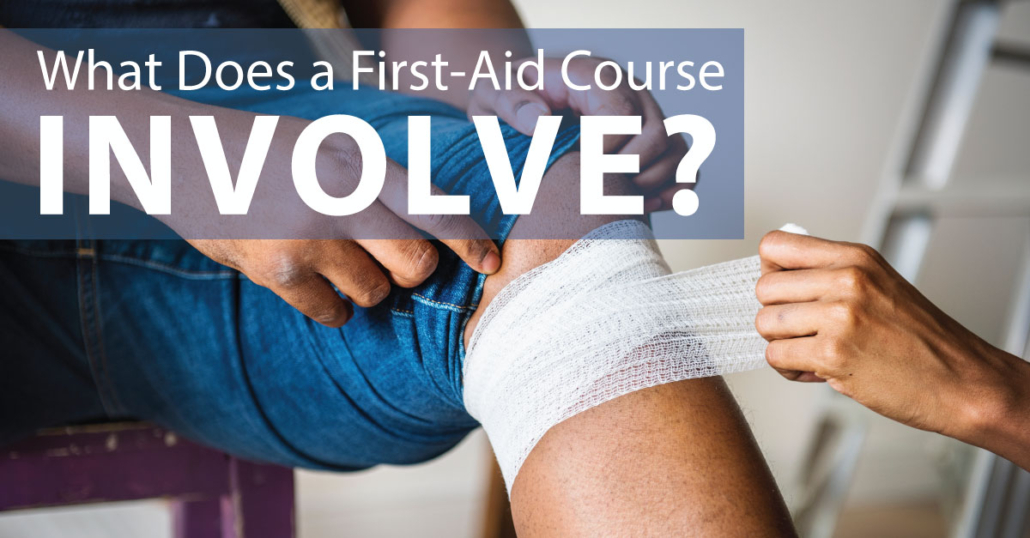
Expect interactive tasks where you'll practice methods like wrapping wounds doing rescue breathing making use of mannequins and so on, under assistance from qualified instructors!
FAQ 6: Can I renew my accreditation online?
Many companies currently use choices permitting existing certificate holders restore existing certifications through on the internet refresher courses although some may still prefer in person re-training sessions!
Conclusion
In verdict, investing time Additional hints into taking a first aid and CPR program is not merely an instructional endeavor; it's a necessary step towards individual growth while equipping oneself with life-saving skills required today more than ever offered unforeseeable nature bordering us daily!
With countless success tales emerging from pleased graduates who have actually changed dilemmas right into opportunities through proper activity-- it becomes clear why numerous echo similar sentiments when asked if seeking such programs verifies worthwhile!
So if you're still questioning whether "Is an Emergency Treatment and Mouth-to-mouth Resuscitation Training Course Well Worth It?" remember what our trainees say loudest-- it definitely is!